The Vinyl Revival’s Impact on Mastering Engineers in Los Angeles
Looking back on 2025 from early 2026, the vinyl revival continued to shape Los Angeles’ mastering landscape profoundly. While U.S. vinyl sales held steady—shipping around 22 million units in the first half of the year and comprising over three-quarters of physical music revenue—the format’s enduring appeal drove a specialized demand for mastering expertise. LA’s world-class facilities remained at the forefront, adapting to vinyl’s unique constraints while navigating ongoing debates around loudness and dynamic range.
The Steady Boom and Its Demands
Vinyl’s resurgence, now nearly two decades strong, stabilized in 2025 rather than exploding further. RIAA mid-year reports showed vinyl revenue at $457 million, a plateau amid streaming dominance. Yet, this consistency fueled steady work for mastering engineers, as artists and labels prioritized physical releases for collectors, superfans, and audiophiles. Major albums from The Weeknd, Kendrick Lamar, and Taylor Swift saw strong vinyl sales, often requiring dedicated masters.
Vinyl mastering differs markedly from digital: Engineers must account for physical limitations like groove spacing, RIAA equalization, bass phasing, and playback distortion risks. Excessive low-end or stereo width can cause skipping, while over-compression—remnants of the “loudness wars”—exacerbates issues on the format.
LA’s Mastering Powerhouses Leading the Way
Los Angeles solidified its status as a vinyl mastering hub, home to iconic studios blending tradition with modern precision:
- Bernie Grundman Mastering (Hollywood): Legendary for classics like Thriller and Purple Rain, this facility offered dedicated vinyl rooms with custom gear. Engineers like Bernie himself and Chris Bellman handled high-profile cuts, ensuring optimal lacquer preparation.

- Lurssen Mastering: Known for remasters (e.g., Metallica’s Load), they collaborated on vinyl lacquers, balancing digital origins with analog warmth.
- Marsh Mastering (Hollywood Hills): Stephen Marsh’s boutique specialized in vinyl lacquer cutting alongside streaming and Atmos, using custom consoles for elite results.
- Infrasonic Sound: A go-to for lacquer cutting, emphasizing hands-on analog processes.

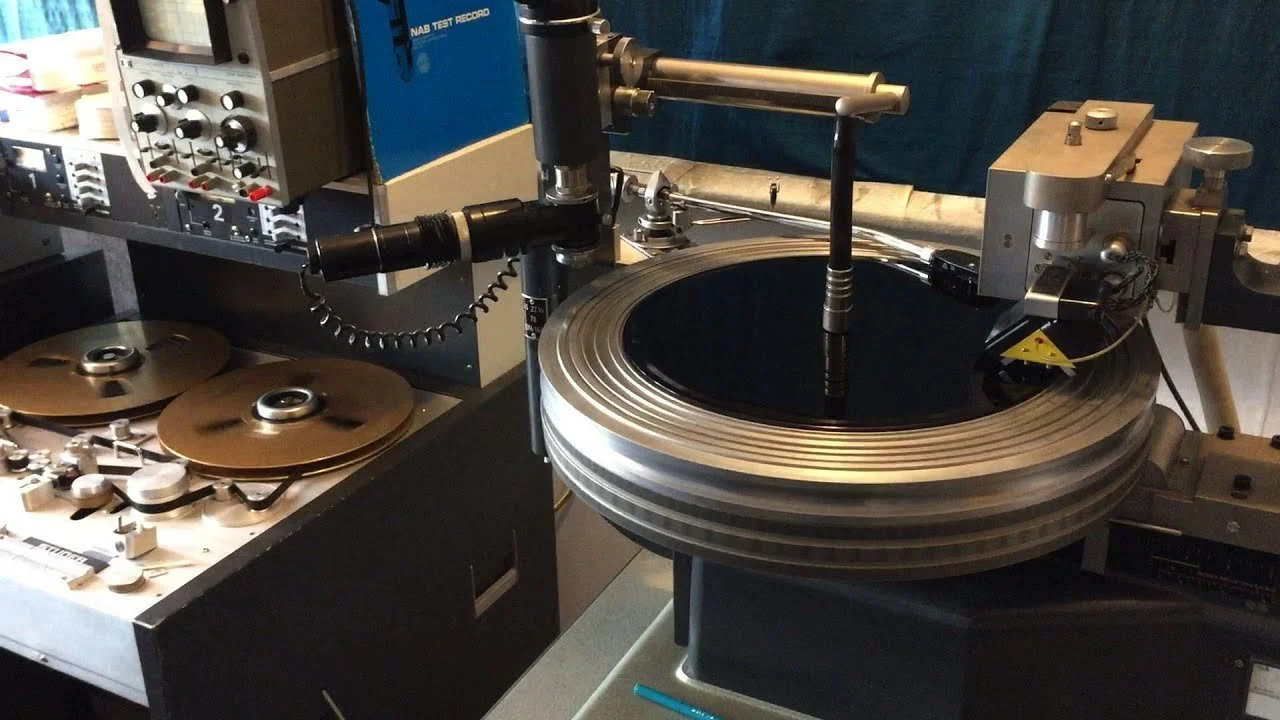
Other notables included Maggie Luthar at Dark Sky Mastering and facilities like Elysian Masters, where engineers like Dave Cooley preserved dynamics for vinyl’s tactile appeal.
Challenges: Loudness Wars vs. Dynamic Range
2025 saw continued pushback against over-compression. Streaming normalization (e.g., -14 LUFS on Spotify) reduced the need for hyper-loud masters, allowing more breathing room. For vinyl, this was crucial—engineers often created separate, less-compressed masters to avoid distortion and maximize playability.
Yet, challenges persisted: Heavily limited digital mixes required rework for vinyl, preserving punch without sacrificing fidelity. As one expert noted, vinyl rewards dynamics, revealing details lost in squashed streaming versions.
Looking Ahead
The vinyl revival empowered LA’s mastering engineers to champion quality over volume, blending analog heritage with 2025’s hybrid workflows. For producers, the lesson was clear: Invest in format-specific mastering for releases that truly resonate—physically and sonically.


If you’re prepping a project, consider LA’s experts—they’re keeping the groove alive.